
Every motorist understands the critical importance of proper lighting on their vehicle, yet many remain uncertain about which bulbs are legally required and how to maintain them correctly. Navigating the complex landscape of automotive lighting regulations ensures not only compliance with the law but also safeguards your own well-being and that of other road users. This comprehensive guide explores the mandatory bulbs your vehicle must have, the technical standards governing them, and the proper procedures for disposal when they reach the end of their service life.
Understanding Legal Requirements for Vehicle Lighting and Essential Bulb Specifications
Vehicle lighting regulations in the United Kingdom are designed to ensure maximum visibility and safety for all road users. These requirements stem from a combination of statutory test items and operator compliance standards that apply to all vehicles operating on public roads. Operators must maintain their vehicles in a fit condition, and failure to do so can result in legal penalties ranging from fines to vehicle prohibitions. The Traffic Commissioners assess compliance quality, which directly affects an operator's licence status, making it imperative to understand precisely which lighting components are mandatory.
The Complete Inventory of Mandatory Bulbs for UK Roadworthy Vehicles
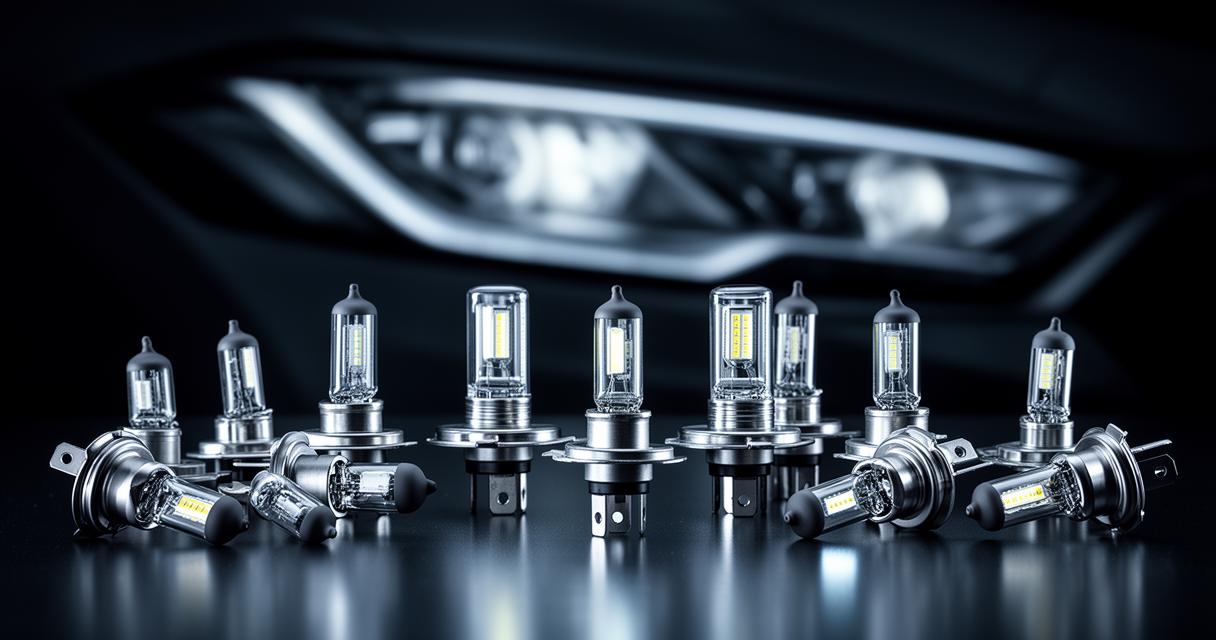
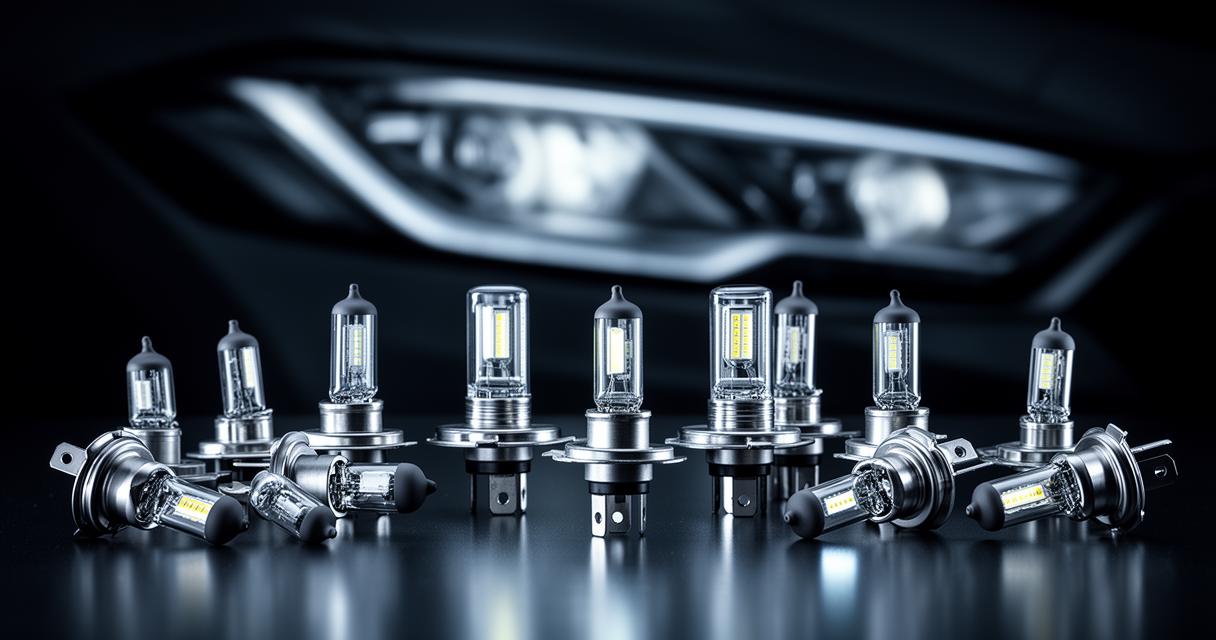
The essential lighting system of any roadworthy vehicle comprises several distinct bulb types, each serving a specific function. Headlamps typically require bulbs such as the H1 for high beam applications and the H7 for low beam illumination, whilst the H4 serves a dual-function purpose in some vehicle configurations. These halogen bulbs have been the standard for decades, offering reliable performance and straightforward replacement procedures. However, more modern vehicles may incorporate HID bulbs or LED bulbs, which provide enhanced brightness and energy-efficient lighting whilst extending the lifespan of the lighting system considerably.
Beyond the primary headlamps, vehicles must also maintain functional bulbs for indicators, brake lights, rear position lights, and number plate illumination. Each of these components plays a vital role in communicating your intentions to other road users and ensuring your vehicle remains visible in all conditions. The regulations stipulate that all these lighting elements must be operational at all times, and regular checks should form part of your daily walkaround inspections. Many experienced operators recommend keeping detailed safety inspection records for at least fifteen months, documenting any defect rectification and ensuring that maintenance practices meet the standards required by statutory testing authorities.
Technical standards and regulations governing automotive lighting systems
The technical codes governing automotive lighting are comprehensive and exacting, covering everything from the intensity and colour of light emitted to the positioning and alignment of each lamp. These standards ensure consistency across all vehicles and prevent the use of aftermarket modifications that might compromise safety or dazzle other drivers. When selecting replacement bulbs, it is essential to consult your vehicle's manual to ensure compatibility with the existing lighting system, as incorrect bulb installation can lead to dimness, flickering, or premature burnouts.
Operators using contractors for vehicle maintenance must ensure that these service providers adhere to adequate maintenance practices and maintain written contracts detailing responsibilities. A risk-based approach to inspections is particularly recommended for vehicles experiencing varying conditions of use, with major vehicles over twelve years old requiring more frequent inspections, typically at a minimum frequency of every six weeks. This proactive stance helps identify potential lighting issues before they develop into more serious problems that could result in vehicle prohibitions or legal actions.
Maintaining your vehicle's emergency kit: bulbs, visibility equipment and safety essentials
Preparation for roadside emergencies extends beyond simply keeping your vehicle in working order. A well-stocked emergency kit can make the difference between a minor inconvenience and a dangerous situation, particularly when lighting failures occur at night or in adverse weather conditions. Understanding what to include in this kit and how to use each component effectively is a fundamental aspect of responsible vehicle ownership.
Creating a Comprehensive Spare Bulb Kit for Roadside Emergencies
A properly assembled spare bulb kit should contain replacements for all the critical lighting functions on your vehicle. This includes not only headlamp bulbs but also indicator, brake light, and side light bulbs. Given the variety of bulb types available, from traditional halogen bulbs to more advanced HID bulbs and LED bulbs, it is crucial to identify which specifications your vehicle requires. Independent motor factors with over thirty-five years of experience typically stock a comprehensive range of bulb types and can provide expert guidance on selecting the correct components for your specific vehicle model.
When assembling your kit, consider including the tools necessary for bulb replacement, such as screwdrivers or bulb removal devices, as well as clean gloves to prevent skin oils from contaminating the glass surface of halogen bulbs. Many motorists also find it helpful to include a small torch or headlamp to illuminate the working area during roadside repairs. Regularly checking your spare bulb kit ensures that components have not been borrowed for other purposes and that the bulbs themselves have not degraded whilst in storage, as some bulb types can deteriorate over time even when unused.
Reflective Equipment and Warning Devices Required for Safe Motoring
Beyond spare bulbs, your emergency kit should also include reflective plates and high-visibility clothing to ensure you remain visible to other road users whilst attending to vehicle issues. Reflective equipment is crucial for visibility in emergencies, particularly on fast-moving roads where approaching vehicles may have limited time to react. A reflective vest or jacket should be stored within easy reach of the driver's seat, allowing you to don it before exiting the vehicle in hazardous conditions.
Warning triangles form another essential component of roadside safety equipment, providing advance notice to approaching traffic that your vehicle is stationary ahead. These devices should be positioned at an appropriate distance behind your vehicle, taking into account the speed limit and visibility conditions of the road. Some operators choose to carry additional warning devices such as portable beacon lights or hazard cones, particularly for commercial vehicles that may require extended periods of roadside repair. Ensuring that all this safety equipment is readily accessible and in good condition should form part of your regular vehicle checks, alongside monitoring the condition of your lighting system.
Proper Disposal and Environmental Responsibility for Automotive Bulbs
The environmental impact of automotive waste is an increasingly important consideration for responsible vehicle owners. Automotive bulbs contain various materials that require careful handling and disposal to prevent environmental contamination and ensure compliance with waste regulations. Understanding the proper procedures for disposing of different bulb types demonstrates a commitment to environmental stewardship whilst fulfilling legal obligations.
Safe Handling and Recycling Procedures for Different Bulb Types
Different bulb technologies require distinct disposal approaches due to their varying material compositions. Traditional halogen bulbs typically contain tungsten filaments and inert gases sealed within a quartz or hard glass envelope, whilst HID bulbs incorporate metallic salts and may contain small quantities of mercury. LED bulbs, on the other hand, contain electronic components and semi-conductor materials that necessitate specialised recycling processes. None of these bulb types should be disposed of in general household waste, as they contain materials that can be recovered and reused or that pose environmental hazards if improperly handled.
When handling failed bulbs, take care to avoid breaking the glass envelope, as this can release potentially harmful substances and create sharp edges that pose injury risks. If a bulb does break during removal, carefully collect all fragments using protective gloves and place them in a sealed container for transport to an appropriate disposal facility. Many experienced technicians recommend wrapping used bulbs in their original packaging or in newspaper before transport to reduce the risk of breakage and to clearly identify them as waste materials requiring special handling.
Where to Dispose of Used Automotive Lighting Components in the UK
The United Kingdom provides numerous options for the proper disposal of automotive bulbs through established recycling networks. Most local civic amenity sites operate dedicated collection points for automotive lighting waste, where trained staff can sort different bulb types for appropriate recycling streams. These facilities accept bulbs free of charge from private motorists and often provide collection services for commercial operators who generate larger quantities of waste bulbs.
Many independent motor factors and automotive accessory retailers also participate in take-back schemes, accepting used bulbs when customers purchase replacements. This convenient service encourages proper disposal by integrating it into the normal maintenance cycle, making it easier for motorists to act responsibly without making special trips to disposal facilities. Some manufacturers have established their own recycling programmes, particularly for more specialised bulb types such as HID bulbs and LED bulbs, which contain valuable materials worth recovering. Participating in these schemes not only fulfils your environmental obligations but also supports the circular economy by ensuring that materials are recovered and reused rather than being lost to landfill.
Operators should maintain records of bulb disposal alongside their other safety inspection records, demonstrating compliance with environmental regulations and showcasing their commitment to sustainable practices. This documentation can prove valuable during operator's licence assessments, where Traffic Commissioners increasingly consider environmental performance alongside traditional safety metrics. By integrating proper disposal procedures into routine maintenance practices, operators ensure that their commitment to safety extends beyond the immediate operational environment to encompass broader environmental responsibilities.