Community radio stations occupy a unique place in the broadcasting landscape, offering hyperlocal voices and authentic connections that transcend the polished veneer of mainstream media. Yet behind every on-air moment lies a crucial technical decision that shapes how listeners experience content: the choice of audio medium. From the crackle and warmth of analogue vinyl to the pristine clarity of digital lossless formats, understanding audio formats is essential for any community broadcaster seeking to balance quality, accessibility, and that elusive sense of authenticity. Audio formats fundamentally determine how sound is recorded, played back, and how well quality is maintained throughout the transmission chain, making this choice far more than a technical footnote.
Analogue vs Digital Audio: Understanding the Core Differences for Community Broadcasting
The debate between analogue and digital audio has animated audiophiles and broadcasters for decades, and for community radio, this choice carries particular weight. Analogue audio, exemplified by vinyl records and tape, captures sound as continuous waveforms, preserving the natural ebb and flow of acoustic energy. Digital audio, by contrast, samples these waveforms at discrete intervals, converting sound into numerical data that computers and modern equipment can process. This fundamental difference influences not just technical specifications but the very character of what audiences hear through their speakers or headphones.
The Warmth of Vinyl: Why Analogue Formats Still Matter for Local Radio
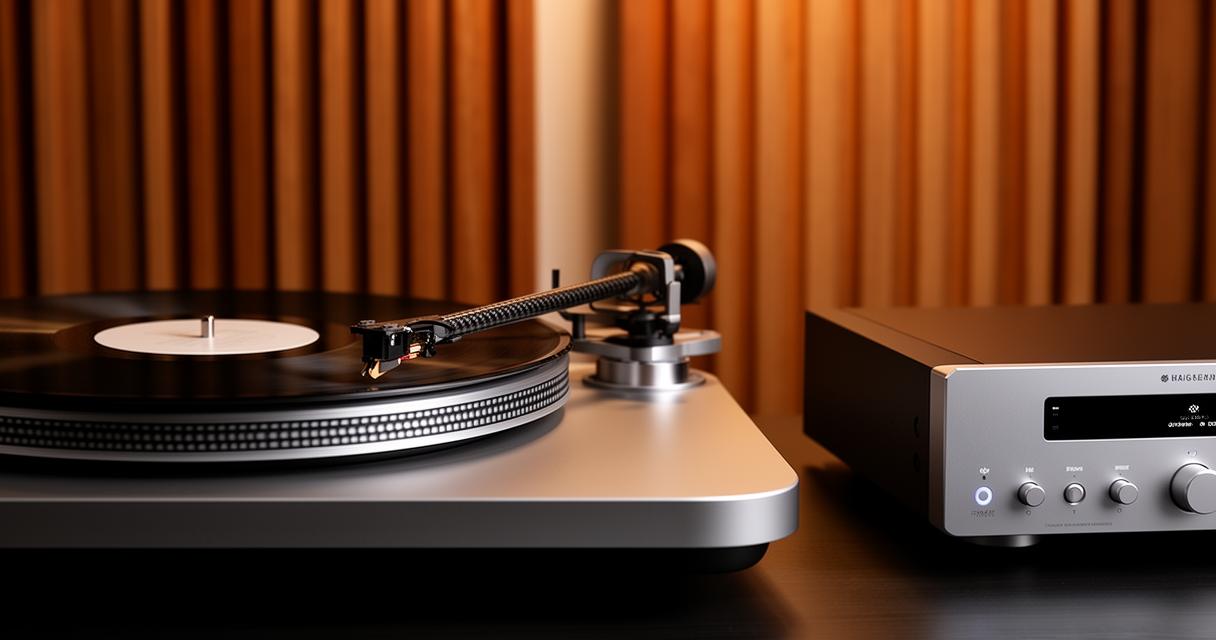
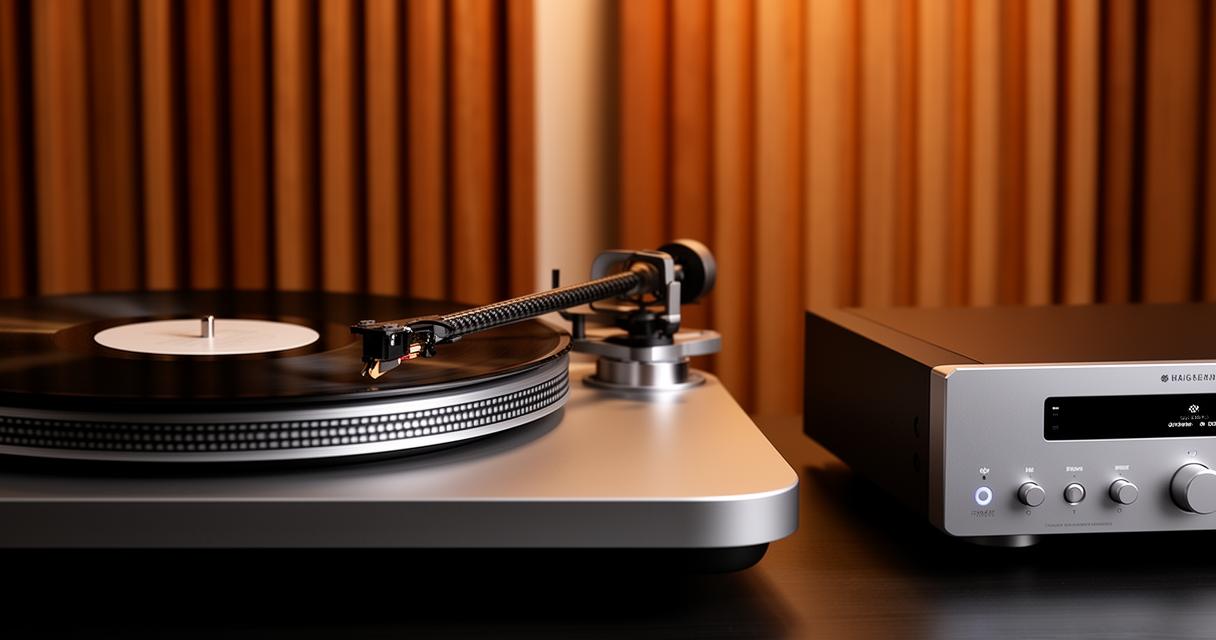
Vinyl records remain emblematic of a sonic aesthetic that many community broadcasters deliberately cultivate. The format is renowned for its warm sound and nostalgia, creating an emotional resonance that appeals to audiophiles and casual listeners alike. This warmth arises from the continuous nature of analogue signals, which some argue captures harmonic overtones and subtle dynamics that digital sampling might miss. For community radio, where personality and local character are paramount, the tactile ritual of cueing up a record can enhance the authenticity of the broadcast experience. Vinyl also signals a commitment to quality and a respect for musical heritage, values that resonate deeply with many community audiences. The gentle hiss and occasional pop of a turntable can paradoxically make a broadcast feel more human, more immediate, and more connected to place. While not without limitations, including susceptibility to wear and environmental factors, vinyl's enduring appeal lies in its ability to convey not just sound but a sense of occasion.
Digital Audio Formats Explained: ALAC, Lossless, and the Modern Broadcasting Toolkit
Digital formats have revolutionized broadcasting by offering high-quality sound with efficient storage and flexible distribution. Among these, lossless formats such as ALAC stand out for preserving the full detail of the original recording without the compromises of compression. ALAC, or Apple Lossless Audio Codec, compresses files while retaining every bit of information, ensuring that what goes out over the air matches what was captured in the studio. Other lossless options include FLAC, which enjoys widespread support across platforms and devices. These formats contrast sharply with lossy compression methods, which discard data deemed inaudible to achieve smaller file sizes. For community broadcasters, lossless files represent a middle ground: they offer the fidelity approaching that of analogue while embracing the convenience and reliability of digital workflows. The modern broadcasting toolkit is incomplete without understanding these distinctions, as the choice of format directly impacts how music and speech are rendered for listeners tuning in via traditional receivers or internet streams.
Technical Considerations: Bitrate, Codecs, and Audio Fidelity in Community Radio
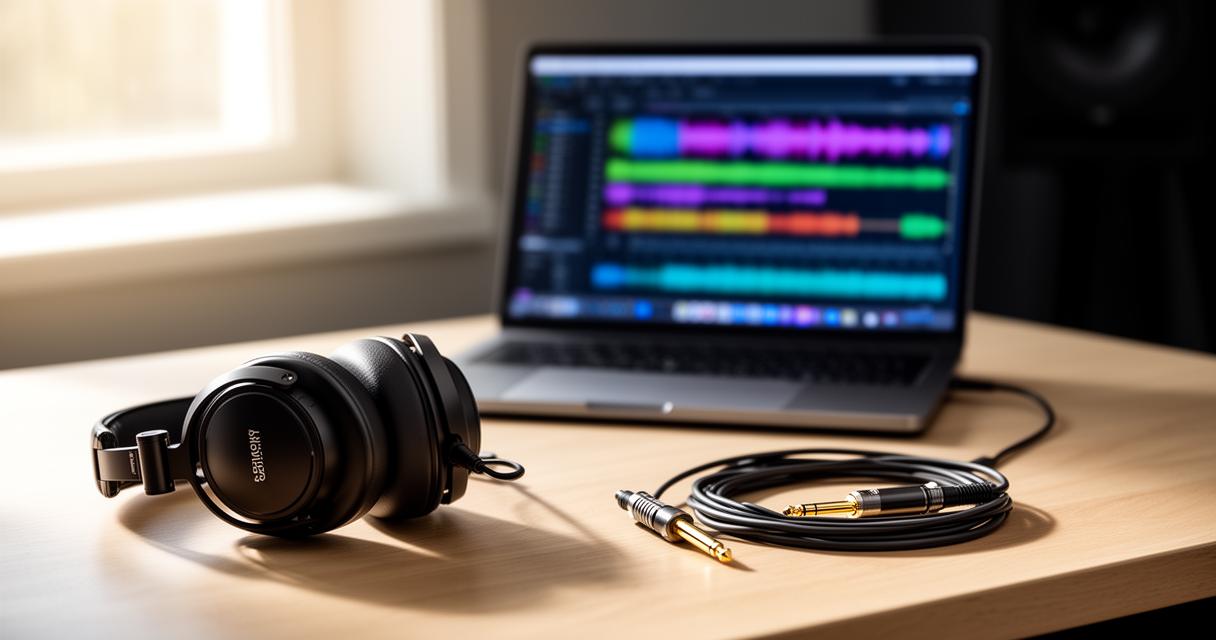
Beneath the surface of any audio format lie technical parameters that define quality and compatibility. Bitrate, measured in kilobits per second, and sampling rate, expressed in kilohertz, are the twin pillars of digital audio specification. These figures, often cryptic to the uninitiated, determine whether a broadcast delivers rich, immersive sound or a thin, lifeless echo of the original. Codec choice is equally important for maintaining audio fidelity during conversion, as different algorithms handle compression and decompression with varying degrees of transparency. Community radio producers must navigate these considerations to ensure their content reaches audiences with clarity and impact, regardless of whether listeners are on vintage transistor radios or state-of-the-art streaming devices.
Bitrate and kHz Demystified: Selecting the Right Specifications for Quality Broadcasting
Bitrate impacts sound quality in straightforward terms: higher kilobits per second typically equates to better audio, capturing more detail and nuance in both music and voice. A standard CD-quality audio file operates at a bitrate of approximately 1411 kbps, setting a benchmark that many digital formats aim to match or exceed. However, practical broadcasting often involves trade-offs between quality and bandwidth, particularly for stations streaming online. Understanding kilohertz and bits helps in selecting the right audio format for your needs, as the sampling rate determines how frequently the analogue waveform is measured. A rate of 44.1 kHz, for example, samples sound 44,100 times per second, sufficient to capture the full range of human hearing. Higher rates such as 96 kHz or 192 kHz offer theoretical advantages, though the perceptible benefits diminish beyond a certain threshold. For community radio, the goal is to select specifications that honour the content without imposing unrealistic technical or financial burdens. Balancing bitrate and sampling rate ensures that whether broadcasting a live interview or a carefully curated music set, the station delivers an experience that feels both professional and genuine.
Codec Selection and Audio Conversion: Maintaining Fidelity from Studio to Listener
The journey from studio microphone to listener's ear involves multiple stages of encoding, transmission, and decoding, each presenting opportunities for degradation. Codec choice is important for maintaining audio fidelity during conversion, as some algorithms introduce artefacts or colouration that can mar the listening experience. Common codecs such as MP3, while ubiquitous, employ lossy compression that discards information in pursuit of smaller file sizes. More sophisticated codecs like AAC and Opus offer better quality at comparable bitrates, making them preferable for modern streaming applications. For community broadcasters committed to authenticity, lossless codecs such as FLAC or ALAC preserve the integrity of the original recording throughout the production chain. The challenge lies in ensuring compatibility across diverse playback devices and transmission methods, from analogue FM transmitters to digital streaming platforms. By selecting appropriate codecs and minimising unnecessary conversions, stations can maintain fidelity from studio to listener, ensuring that every nuance and inflection arrives intact. This attention to technical detail, though invisible to audiences, underpins the trust and connection that define successful community broadcasting.
Choosing the Best Audio Medium for Authentic Local Radio: Balancing Quality, Accessibility, and Listener Experience
Selecting the best audio medium for a community radio station is not a purely technical exercise but a strategic decision that reflects the station's identity and values. For best sound quality, consider both analogue and digital options based on personal preference, audience expectations, and practical constraints. Some stations may embrace vinyl for its cultural cachet and sonic signature, while others prioritise the flexibility and reliability of digital formats. The most successful approach often involves a hybrid model, leveraging the strengths of each medium to create a diverse and engaging broadcast schedule. Ultimately, the best audio medium is the one that enables broadcasters to tell their stories with clarity, warmth, and authenticity, fostering the deep community connections that are the hallmark of local radio.
Streaming services vs physical media: weighing convenience against audio quality
The rise of streaming has transformed how audiences consume audio, offering unprecedented convenience and choice. Streaming services provide convenience but may compress audio, affecting quality in ways that listeners may or may not notice depending on their equipment and sensitivity. For community radio, streaming represents both an opportunity and a challenge. It extends reach beyond the traditional broadcast area, allowing diaspora communities and interested listeners worldwide to tune in. However, the compression inherent in many streaming protocols can flatten dynamics and obscure subtle details that give music and speech their character. Physical media, by contrast, offer tangible quality and a sense of permanence, though they require more effort to manage and integrate into modern workflows. Weighing convenience against audio quality involves understanding the listening context and preferences of the target audience. A station serving young, mobile listeners may prioritise streaming accessibility, while one catering to audiophiles or older demographics might emphasise the superior fidelity of physical formats. The key is to maintain transparency and consistency, ensuring that whichever medium is chosen, the station's commitment to authentic, high-quality broadcasting remains evident.
Turntables and Playback Equipment: Enhancing Sound Dynamics for the Community Radio Experience
For stations incorporating vinyl into their output, the quality of turntables and playback equipment directly influences sound dynamics and listener satisfaction. Turntables can provide a superior listening experience for vinyl, enhancing sound dynamics through precise tracking, stable rotation, and effective isolation from external vibrations. A well-maintained deck with a high-quality cartridge and stylus extracts the full range of information etched into the grooves, delivering bass depth, midrange clarity, and treble sparkle that cheaper alternatives cannot match. Beyond the turntable itself, the entire signal chain, including preamplifiers, mixers, and transmission equipment, must be calibrated to preserve the analogue signal's integrity. Community radio often operates on limited budgets, yet investing in reliable playback equipment pays dividends in credibility and audience loyalty. The ritual of selecting and playing records also offers opportunities for on-air storytelling, as presenters share the histories and contexts of the music they play. This tangible connection to physical media can deepen the sense of community and shared experience, reminding listeners that behind every broadcast are real people passionate about sound and story. By carefully selecting and maintaining their equipment, community broadcasters can ensure that whether the source is a vintage 45 or a high-resolution digital file, the result is a listening experience that feels both authentic and alive.