The Boss RC-30 stands as a formidable tool for musicians seeking to explore the world of dual track looping, offering a blend of intuitive design and powerful features that cater to both novice and experienced performers. With its ability to capture up to three hours of recording time across twin stereo tracks, this device has earned a reputation for reliability and versatility in live and studio settings alike. Understanding how to harness its full potential begins with familiarising oneself with its setup, interface, and advanced capabilities, ensuring that every loop and layer contributes to a polished and dynamic performance.
Getting Started with Your Boss RC-30: Initial Setup and Connections
Powering your device: battery installation and ac adaptor options
Before embarking on your looping journey, ensuring that your Boss RC-30 is properly powered is essential. The device offers flexibility in this regard, accommodating both battery operation and an optional AC adaptor. When opting for battery power, it is important to use the correct type of batteries as specified in the owner's manual to avoid any potential issues. The unit comes supplied with batteries, allowing you to begin experimenting immediately upon unboxing. For extended sessions or regular studio use, investing in an optional AC supply may prove more economical and convenient, eliminating the need for frequent battery replacements and ensuring consistent performance throughout your practice or performance.
Connecting your instruments: xlr inputs, jack sockets, and output configuration
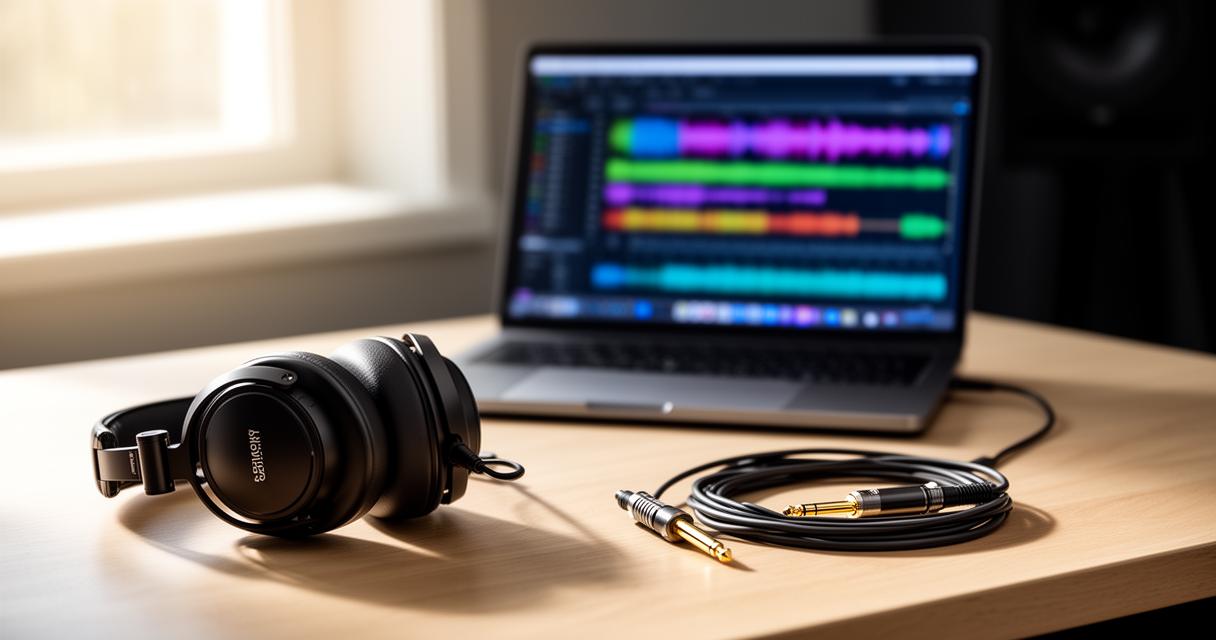
Once the power source is secured, the next step involves connecting your instruments to the RC-30. The device is designed to accommodate a variety of input options, making it suitable for guitarists, vocalists, and other instrumentalists. The inclusion of an XLR input allows for direct connection of microphones, providing clean and professional-grade audio capture for vocalists or acoustic performers. Standard quarter-inch jack sockets cater to electric guitars, basses, and other line-level instruments, ensuring compatibility with a wide range of setups. Additionally, an auxiliary input expands connectivity further, enabling integration of external audio sources such as drum machines or playback devices. On the output side, the RC-30 features an output jack that facilitates connection to amplifiers, mixers, or stereo systems, ensuring that your loops are projected with clarity and impact. Properly configuring these connections is crucial for achieving optimal sound quality and seamless integration into your existing rig.
Mastering the RC-30 Interface: Buttons, Modes, and Recording Functions
Understanding the Control Panel: Button Functions and Navigation Through the Table of Contents
The Boss RC-30 boasts a user-friendly interface, thoughtfully designed to streamline the looping process while offering extensive control over your recordings. The control panel features a series of buttons, each assigned specific functions that govern recording, playback, effects, and navigation. Familiarising yourself with these buttons is a fundamental step towards mastering the device. The owner's manual includes a comprehensive table of contents that details each button's function and its corresponding operation, serving as an invaluable reference during your initial exploration. By consulting this guide, performers can quickly learn how to initiate recording, toggle between tracks, and access various settings without unnecessary trial and error. The intuitive layout ensures that even those new to looping technology can navigate the interface with confidence, reducing the learning curve and allowing creativity to take precedence.
Recording techniques: switching between recording, overdubbing, and playback modes
At the heart of the RC-30's functionality lies its ability to switch seamlessly between recording, overdubbing, and playback modes, a feature that empowers performers to build intricate soundscapes in real time. To begin recording, a simple press of the designated button initiates the capture of your initial phrase onto one of the two stereo tracks. Once the foundation is laid, the overdub mode allows additional layers to be added without erasing previous material, enabling the construction of rich, textured compositions. This mode is particularly valuable for solo performers who wish to accompany themselves with harmonies, rhythms, or complementary melodies. Switching to playback mode permits you to listen back to your creation, assess its structure, and make any necessary adjustments. The RC-30's responsive controls ensure that transitions between these modes occur smoothly, minimising disruption to the creative flow and maintaining the momentum of your performance. Mastery of these techniques is essential for anyone seeking to fully exploit the looping potential of the device.
Advanced Features and Practical Considerations: Effects, USB Connectivity, and User Feedback
Customising your sound: tempo control, delay, sweep, and phaser filters
Beyond its core looping capabilities, the Boss RC-30 offers a suite of built-in effects that allow for further sound customisation and creative expression. Tempo control enables precise adjustment of playback speed, ensuring that loops align perfectly with the rhythm of your performance or accompanying tracks. Delay effects add depth and space to your sound, creating echoes that can range from subtle ambience to pronounced repetitions. Sweep filters introduce dynamic tonal shifts, ideal for adding movement and interest to sustained passages. The phaser effect delivers a swirling modulation that can evoke psychedelic textures or simply enrich the harmonic content of your loops. By experimenting with these filters and effects, performers can tailor their sound to suit a wide variety of musical styles and performance contexts. The ability to access these features directly from the control panel ensures that adjustments can be made on the fly, maintaining the spontaneity and immediacy that define live looping.
USB Integration and Value Assessment: Transferring Recordings, Updates, and Evaluating Price Points
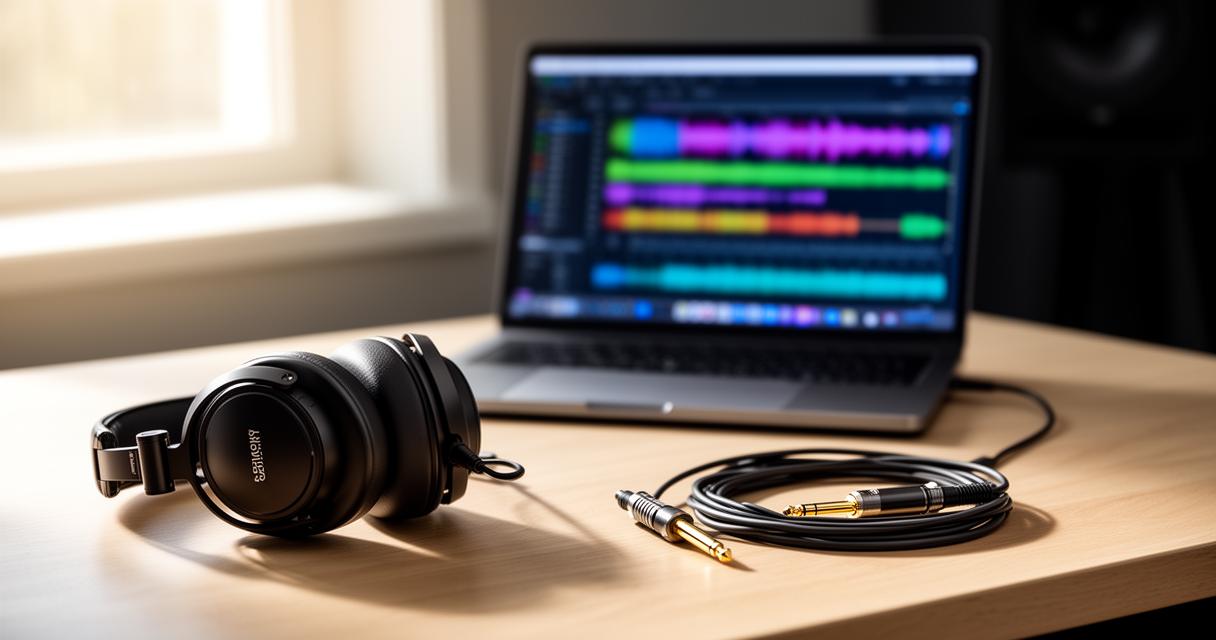
The inclusion of USB connectivity on the Boss RC-30 significantly enhances its versatility, facilitating the transfer of recordings to a computer for further editing, archiving, or sharing. This feature is particularly beneficial for musicians who wish to incorporate their loops into larger projects or distribute their work online. The USB connection also enables firmware updates and the installation of drivers, ensuring that the device remains compatible with evolving technology and benefits from any improvements released by the manufacturer. Support resources, including owner's manuals, updates, and email assistance, are readily available, reflecting the commitment of Roland and Boss to maintaining robust customer support. When considering the price of the RC-30, it is worth noting that while it is a discontinued model, it remains highly regarded within the looping community. User opinions consistently highlight its reliability, sound quality, and feature set, suggesting that it offers substantial value for both amateur and professional musicians. The combination of three hours of recording capacity, ninety-nine onboard memory phrases, and comprehensive connectivity options positions the RC-30 as a worthwhile investment for those serious about looping. Its compact dimensions and manageable weight further enhance its appeal, making it a practical choice for performers who require portability without sacrificing functionality.