Installing a television aerial yourself can be a rewarding project that saves money whilst giving you a better understanding of how your home entertainment system works. Many homeowners in Val d'Oise and surrounding areas consider tackling this task independently before deciding whether professional assistance is necessary. With the right approach, basic tools, and careful planning, you can achieve a functional setup that delivers quality Freeview reception without immediately incurring the costs associated with hiring qualified engineers.
Essential Tools and Equipment for DIY Aerial Installation
Basic kit requirements: what you'll need before starting
Before attempting any aerial installation, gathering the correct tools and materials is crucial for a smooth and successful project. A standard mounting bracket typically costs between nineteen and twenty-three pounds, providing a secure foundation for your aerial. Masonry drill bits, essential for creating holes in brick or stone surfaces, range from twenty to forty pounds depending on quality and size. You will also need screws, which generally cost around six to seven pounds, ensuring your bracket remains firmly attached to the structure. A spirit level helps guarantee that your aerial is perfectly horizontal, which can significantly impact signal quality. Coaxial cable of sufficient length to reach from your aerial to your television is another fundamental component, and cable clips will keep everything tidy and secure along its route. A spanner or adjustable wrench will be necessary for tightening bolts on the mounting bracket, whilst cable strippers and connectors allow you to terminate the coaxial cable properly. Having all these items prepared beforehand prevents unnecessary trips to the hardware store and keeps your installation on schedule.
Safety Equipment and Ladder Selection for Rooftop Work
Working at height presents serious risks, making safety equipment absolutely non-negotiable when installing an aerial. A sturdy ladder that extends well beyond your working area is essential, and it should be positioned on stable, level ground with someone available to hold it steady. Safety harnesses, although often overlooked by DIY enthusiasts, provide vital protection against falls and should be considered mandatory for rooftop work. Non-slip footwear with good grip helps maintain balance on sloped or wet surfaces, whilst gloves protect your hands from sharp edges and rough materials. Weather conditions must be carefully assessed before starting any installation; windy or rainy days significantly increase hazards and should be avoided entirely. If your property requires scaffolding due to height or access difficulties, costs can range from six hundred and forty pounds to over eleven thousand pounds depending on project scale, which may make professional installation more economical. Always inform someone of your plans and ensure they check on you periodically throughout the work. Taking shortcuts with safety measures is never worth the potential consequences, and recognising when a project exceeds your capabilities is a sign of wisdom rather than weakness.
Step-by-step process for installing your television aerial
Mounting your aerial securely: chimney and rooftop positioning
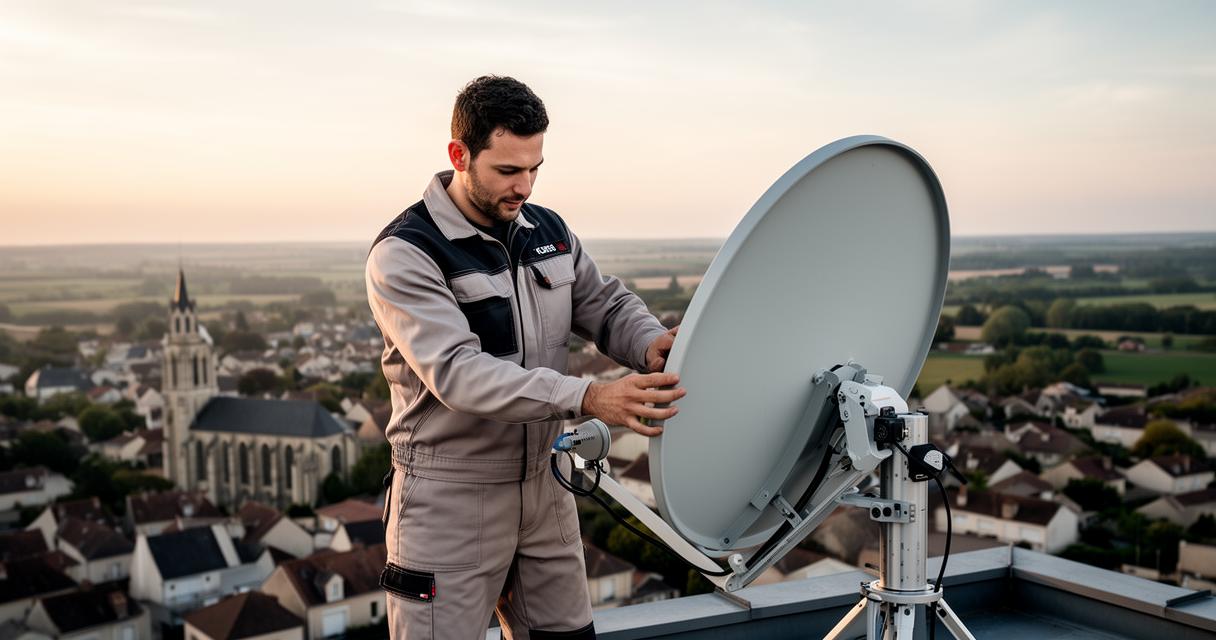
Selecting the optimal location for your aerial dramatically affects reception quality and installation difficulty. Chimneys traditionally serve as popular mounting points because they offer height and structural stability, though modern homes without chimneys may require gable end or roof-mounted brackets. Before drilling any holes, verify that your chosen position provides clear line of sight toward the nearest transmission tower, as obstacles such as trees or buildings can cause signal interference. Mark your drilling points carefully using a pencil after ensuring the bracket sits level, then create pilot holes using an appropriate masonry drill bit. Insert wall plugs firmly into these holes before securing the mounting bracket with corrosion-resistant screws, tightening them sufficiently without overtightening which could crack masonry. Once the bracket is solid, attach your aerial according to the manufacturer's instructions, ensuring all connections are finger-tight initially before making final adjustments. The aerial should point toward the transmitter, and whilst compass bearings can help, fine-tuning usually requires trial and adjustment whilst monitoring signal strength indoors. Consider that roof tile replacement, should any become damaged during installation, costs between one hundred and seventy and five hundred pounds depending on accessibility, adding potential expense to your DIY project.
Connecting Cables and Optimising Signal Strength for Freeview Reception
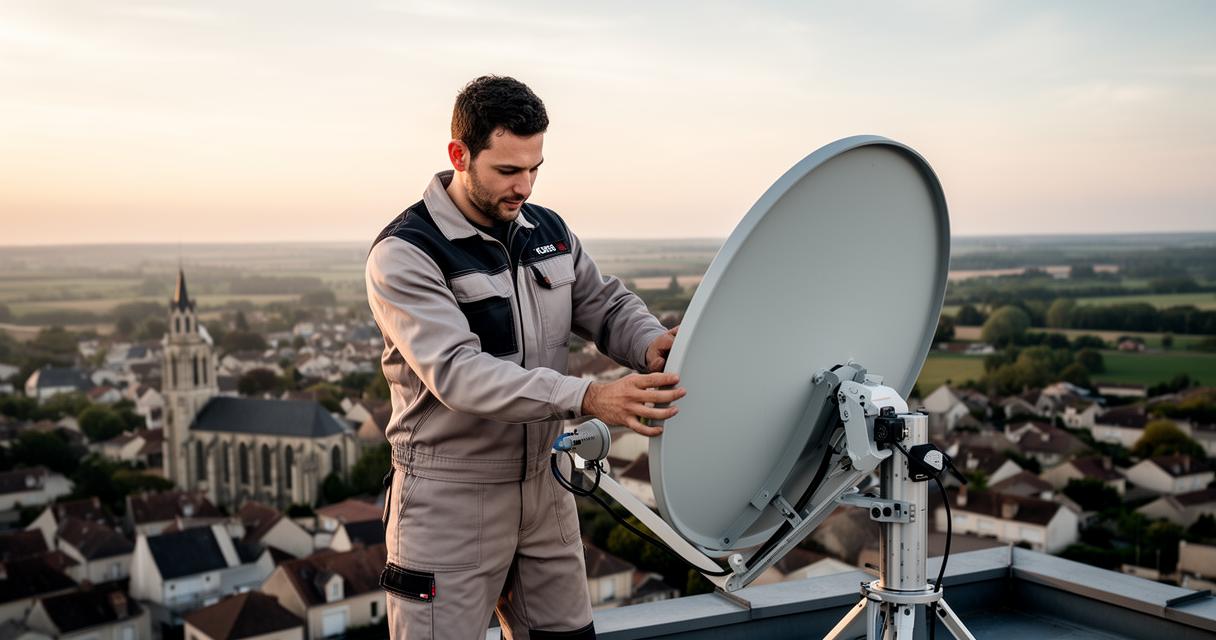
Running coaxial cable from your newly mounted aerial to your television requires careful planning to avoid damage and maintain signal integrity. Secure the cable along your chosen route using appropriate clips spaced at regular intervals, taking care to avoid sharp bends that can degrade signal quality. Where the cable enters your home, seal the entry point with weatherproof mastic to prevent water ingress that could cause internal damage over time. Inside, connect the cable to your television or set-top box, then initiate a channel scan to detect available Freeview services. Signal strength indicators available on most modern televisions help you fine-tune aerial positioning; even small adjustments of a few degrees can produce noticeable improvements in reception quality. If certain channels appear pixelated or drop out entirely, this suggests either insufficient signal strength or interference from nearby electrical equipment. Repositioning the aerial slightly higher or adjusting its angle often resolves these issues without requiring complete reinstallation. Testing reception during different times of day helps identify whether atmospheric conditions affect your signal, information that proves valuable when deciding whether your DIY installation meets your needs or requires professional refinement.
When to Call Professional Antenna Services in Val d'Oise
Common installation challenges that require expert assistance
Despite best intentions, certain situations clearly demand professional expertise rather than continued DIY attempts. Complex installations involving multiple rooms require cable distribution systems and amplifiers that need specialist knowledge to configure correctly, with running cables to additional rooms typically costing fifty-five to sixty pounds when done professionally. Properties located in weak signal areas may need high-gain aerials or masthead amplifiers that require precise selection and installation beyond typical DIY capabilities. Satellite dish installation presents additional complications compared to standard aerials, with costs around one hundred and fifty pounds for professional fitting that includes precise alignment toward specific satellites. Dishes serving single televisions cost seventy-five to eighty pounds when installed by qualified engineers who guarantee optimal positioning and secure mounting. Some properties require planning permission for visible aerials or dishes, particularly in conservation areas or listed buildings, and professionals understand these regulations thoroughly. Structural concerns such as unstable chimney stacks or fragile roofing materials create hazards that experienced installers can navigate safely with appropriate equipment and insurance coverage. Signal interference from electronic devices, neighbouring transmitters, or geographical features often requires diagnostic equipment and expertise to identify and resolve effectively.
Comparing diy costs versus professional aerial fitting services
Financial considerations naturally influence whether to proceed with DIY installation or engage professional services from the outset. Supply costs for basic aerial installation equipment total approximately forty-five to seventy pounds when purchasing mounting brackets, drill bits, screws, and cable, representing significant savings compared to professional installation that typically costs one hundred to two hundred pounds for television aerials. Freeview aerial installation through qualified engineers averages one hundred and forty pounds, whilst new aerial installation sits around one hundred pounds, both figures including labour and materials. Standard satellite dish setup ranges from nine to one hundred pounds depending on complexity, with labour costs for satellite installation between one hundred and one hundred and fifty pounds for straightforward projects. Professional services offer valuable advantages beyond technical skill, including same-day local service availability, free no-obligation quotes, and no callout charges from reputable companies. Qualified and approved engineers bring insurance coverage that protects homeowners against accidental damage during installation, a safeguard absent from DIY projects. They also provide guarantees on workmanship and can return for adjustments if initial results prove unsatisfactory. When factoring in potential costs such as scaffolding hire, replacement of damaged roof tiles, or gutter cleaning necessitated by access requirements, professional installation often proves more economical than initially apparent. Many companies accept various payment methods including cash, credit and debit cards, and online transfers, offering flexibility that accommodates different financial preferences. Customer reviews averaging four point eight from forty-four assessments indicate high satisfaction levels with professional services, suggesting that expert installation delivers reliable results worth the investment for many homeowners. Ultimately, the decision balances your confidence in working safely at height, technical capability, available time, and budget constraints against the convenience and assurance that professional installation provides.