The digital landscape of online mapping services is undergoing a significant transformation as Google Maps prepares to implement changes reflecting official geographic naming conventions. This alteration stems from a complex interplay of political decisions, cultural identity, and the technical realities of how digital platforms represent physical geography. The shift highlights the ongoing conversation about who has the authority to name places and how technology companies navigate these sensitive territorial and historical questions.
The Historical and Political Context of Renaming the Gulf of Mexico
The waters historically known as the Gulf of Mexico have become the subject of considerable political discussion in recent months. In the United States, the Geographic Names Information System, which serves as the official repository for domestic geographic nomenclature, has formally adopted the designation Gulf of America for this significant body of water. This decision represents more than a simple administrative update; it reflects deeper questions about national identity, historical narratives, and the ways in which geographic features embody cultural meaning. The announcement made in February 2025 set in motion a series of changes that would ripple across digital platforms worldwide, requiring technology companies to adapt their systems to accommodate these new official designations.
The Role of President Donald Trump and Government Officials in the Renaming Discussions
The conversations surrounding this geographic redesignation have involved high-level government officials, with President Donald Trump among those who have participated in discussions about the significance of place names. The involvement of senior political figures underscores the importance that governments place on geographic nomenclature as a matter of national pride and historical recognition. These deliberations have focused on how names can reflect the perspectives and experiences of the nations that border important geographic features. The process has revealed the extent to which seemingly technical decisions about cartography can become matters of considerable political sensitivity, requiring careful consideration of diplomatic relationships and regional sensibilities.
Claudia Sheinbaum's Support and the Significance of Local Identity in Geographic Naming
On the Mexican side of this discussion, Claudia Sheinbaum, the Mayor of Mexico City, has expressed support for efforts that recognize local identity in geographic naming conventions. Her position reflects a broader understanding that places carry meanings that extend beyond mere coordinates on a map. The Gulf has always been an important geographic feature in both American and Mexican history, serving as a crucial waterway for commerce, exploration, and cultural exchange. The recognition that different communities may have distinct relationships with the same geographic feature has informed the approach that technology companies are now taking to represent these complexities in their digital products.
Google's Global Initiative to Update Geographic Names and Its Impact on the Gulf Region
Google's approach to implementing these changes represents a sophisticated response to the challenge of serving a global user base while respecting local naming conventions and official government designations. The company has developed a system that displays geographic names based on the location and settings of individual users, creating a dynamic mapping experience that adapts to regional contexts. This technical solution acknowledges that geographic features can legitimately be known by different names in different places, reflecting the reality that national boundaries and cultural perspectives shape how people understand and describe the world around them.
How the Name Change Will Affect Google Maps Users in America and Beyond
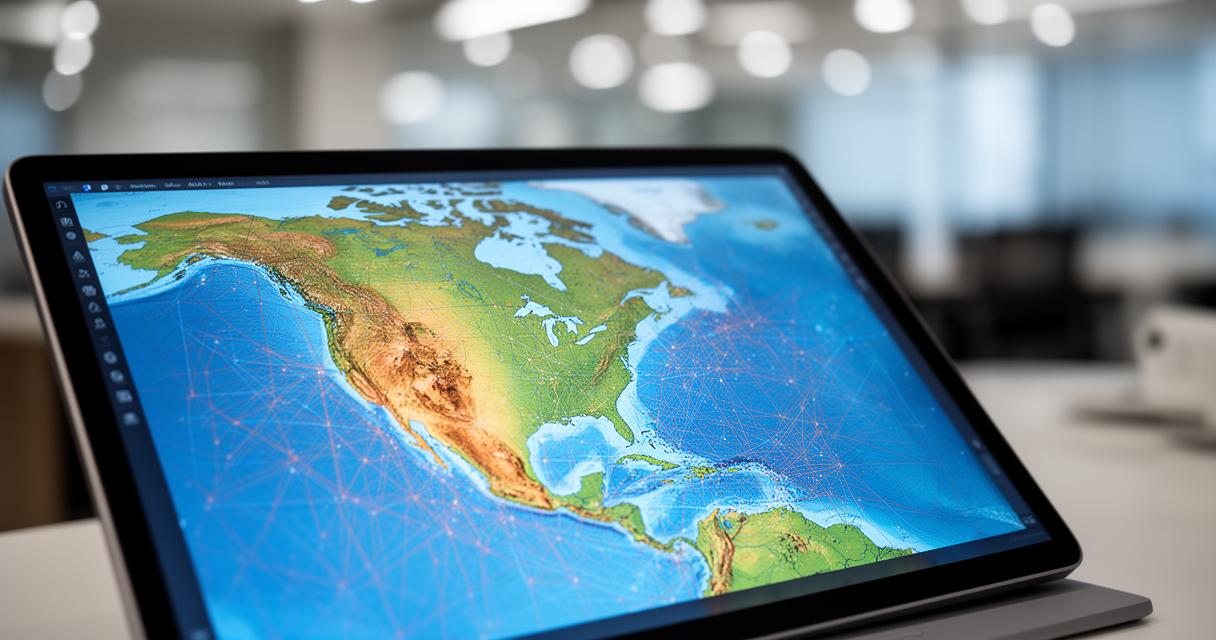
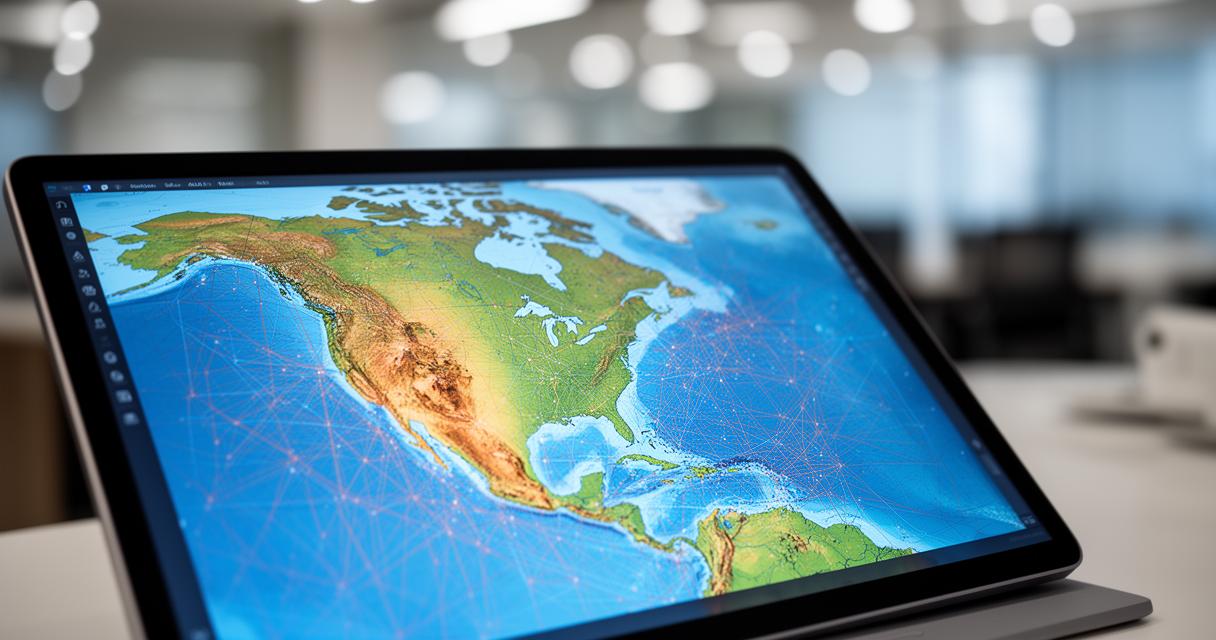
Users of Google Maps in America, especially those in the states bordering the Gulf, will see this new change reflected in their applications. The display name shown to any individual user depends on several factors, including the country setting of their device's operating system and their physical location when accessing the service. For those using the service within the United States, the updated designation Gulf of America will appear as the primary name for this body of water. Meanwhile, users accessing the service from Mexico will continue to see Gulf of Mexico displayed on their screens. This location-based display system ensures that users encounter geographic names that align with the official designations recognized by their respective governments, creating a mapping experience that feels locally relevant while acknowledging the existence of alternative naming conventions used elsewhere.
The Broader Implications for Tourism and Cultural Recognition Across Bordering States
Such changes to names can have wide-ranging impacts on tourism and cultural recognition, affecting how regions market themselves and how visitors understand the places they explore. The coastal communities and states that border this significant body of water have built identities and economies closely tied to this geographic feature. Any alteration to how it is named and perceived can influence everything from marketing materials to educational curricula. Tourism boards may need to consider how different audiences around the world will encounter information about their destinations, potentially adapting their messaging to account for the fact that the same location might be known by different names depending on where potential visitors are searching from. This complexity adds a new dimension to the already challenging work of promoting regional attractions in an increasingly interconnected global marketplace.
The Future of Geographic Naming Conventions and Potential Changes to Other Regions
The adjustments being implemented for this particular body of water may signal the beginning of broader transformations in how geographic naming is handled in the digital age. As mapping technology becomes increasingly sophisticated and capable of delivering personalized experiences, the technical capacity to display different names to different users opens up new possibilities for acknowledging diverse perspectives on shared geography. This development raises questions about which other geographic features might undergo similar reconsiderations and how the international community will navigate competing claims to naming authority over places that span multiple jurisdictions or hold significance for multiple cultures.
Reflecting Local and Historical Significance in the Geographic System
The aim is to reflect the local and historical significance of the regions represented in digital mapping services. This principle recognizes that geographic names are not neutral labels but rather carry layers of meaning accumulated through centuries of human interaction with landscapes and waterways. The challenge for technology companies lies in creating systems that can honor these multiple meanings without privileging one perspective over another in inappropriate contexts. The solution being implemented involves showing users the names that are most relevant to their location and official government designations, while also acknowledging through various means that alternative names exist and are used in other contexts. This approach attempts to balance respect for official naming authorities with the reality that geography is experienced differently by different communities.
Potential Debates and Trends in Renaming Efforts Worldwide Following This Decision
This update may cause discussions regarding other names in the geographic system, following a trend of reflecting local identities in how places are designated on maps and in official records. As countries around the world reassess how their territories and significant features are named, technology companies will face ongoing pressure to keep their systems current with official designations while managing the technical and diplomatic complexities of serving users across borders. The precedent being set here could influence how similar situations are handled in the future, potentially leading to more dynamic and localized mapping experiences that acknowledge the multiplicity of perspectives that exist regarding shared geographic spaces. The conversation about who has the right to name places, and how those names should be represented in digital spaces accessed by global audiences, is likely to continue evolving as technology makes it increasingly feasible to present different information to different users based on their context and location.