The world of three-dimensional design has evolved remarkably, offering an impressive array of tools that enable artists, architects, and engineers to bring their visions to life without the burden of expensive licences. Whether you're an aspiring animator or a seasoned professional exploring new creative avenues, free software solutions provide a gateway to sophisticated modelling, sculpting, and rendering capabilities. This guide explores some of the most compelling options available, each tailored to different needs and workflows, empowering you to craft intricate digital landscapes and technical blueprints alike.
Blender: The Comprehensive Solution for Animation and Rendering
Extensive toolset for creative freedom
Blender has firmly established itself as a powerhouse within the realm of free software, offering an astonishing breadth of features that rival many commercial alternatives. This open-source platform caters to a wide spectrum of creative disciplines, from animation and visual effects to product design and game design. Its extensive toolset includes advanced sculpting brushes, node-based materials, and a robust rendering engine that supports both real-time and photorealistic output. Users benefit from a continuously evolving suite of capabilities, driven by a passionate global community that contributes plugins, tutorials, and enhancements. The software's commitment to remaining free and accessible ensures that anyone with the drive to learn can unlock professional-grade results without financial barriers.
Cross-platform compatibility and community support
One of Blender's greatest strengths lies in its seamless compatibility across multiple operating systems, including Windows, Mac, and Linux. This flexibility allows teams and individuals to collaborate effortlessly, regardless of their chosen platform. Moreover, the vibrant community surrounding Blender serves as an invaluable resource for newcomers and veterans alike. Extensive documentation, forums, and video tutorials provide guidance on everything from basic navigation to intricate techniques in digital sculpting and simulation. The collective knowledge shared within this ecosystem not only accelerates learning but also fosters innovation, as users exchange ideas and workflows that push the boundaries of what can be achieved with free software.
Sketchup: user-friendly design for architectural applications
Intuitive Interface for Beginners and Professionals
SketchUp distinguishes itself with a remarkably intuitive interface that lowers the barrier to entry for those new to three-dimensional modelling. Its straightforward tools and logical workflows make it an ideal choice for architectural design, where precision and clarity are paramount. The software excels in quickly transforming conceptual sketches into detailed models, enabling designers to explore spatial relationships and design iterations with ease. While its simplicity might suggest limited capabilities, SketchUp offers sufficient depth for professionals working on complex projects, striking a balance between accessibility and functionality. This makes it particularly appealing for architects and interior designers who require efficient modelling without the steep learning curve associated with more intricate platforms.
Specialised Features for Floor Planning and Spatial Design
Beyond its user-friendly design, SketchUp provides specialised features tailored to floor planning and spatial design, making it a go-to solution for architectural applications. The software's ability to generate accurate layouts and visualise interior spaces helps professionals communicate their ideas effectively to clients and collaborators. Tools for measuring, scaling, and annotating ensure that designs remain true to real-world dimensions, a critical aspect in architecture and construction. The availability of a free version further democratises access to these capabilities, allowing students and independent designers to hone their skills and develop portfolios without incurring costs. This combination of ease of use and practical functionality cements SketchUp's position as a valuable asset within the architectural community.
CAD Software: Precision Modelling for Engineering and Technical Fields
Industry-standard tools for accurate technical drawings
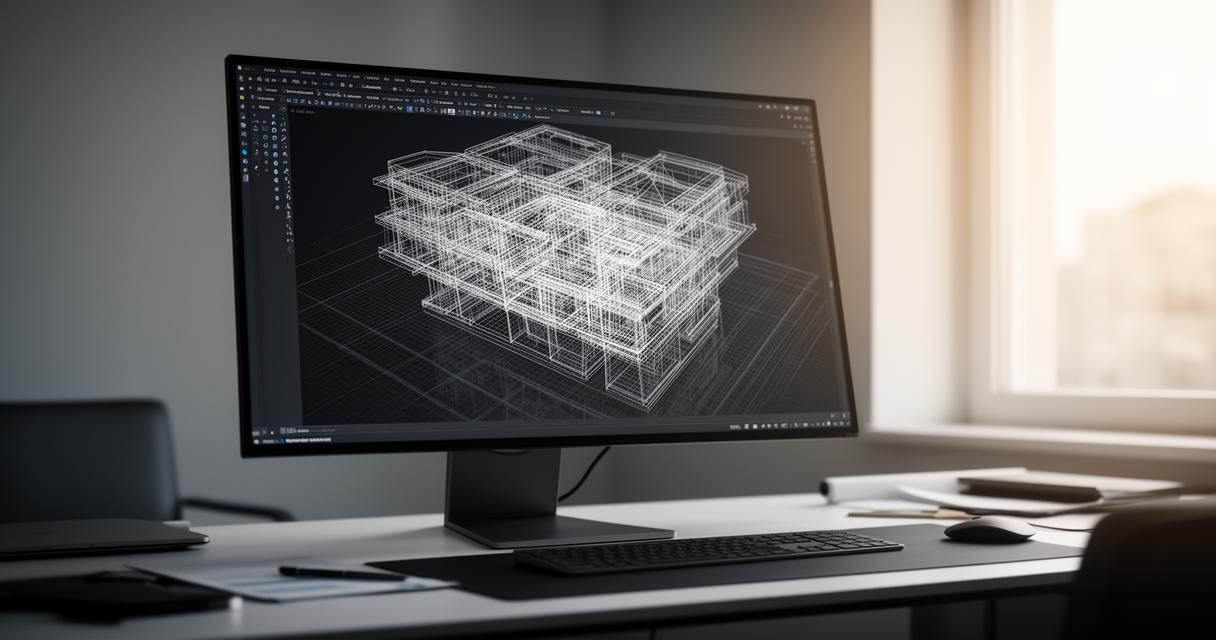
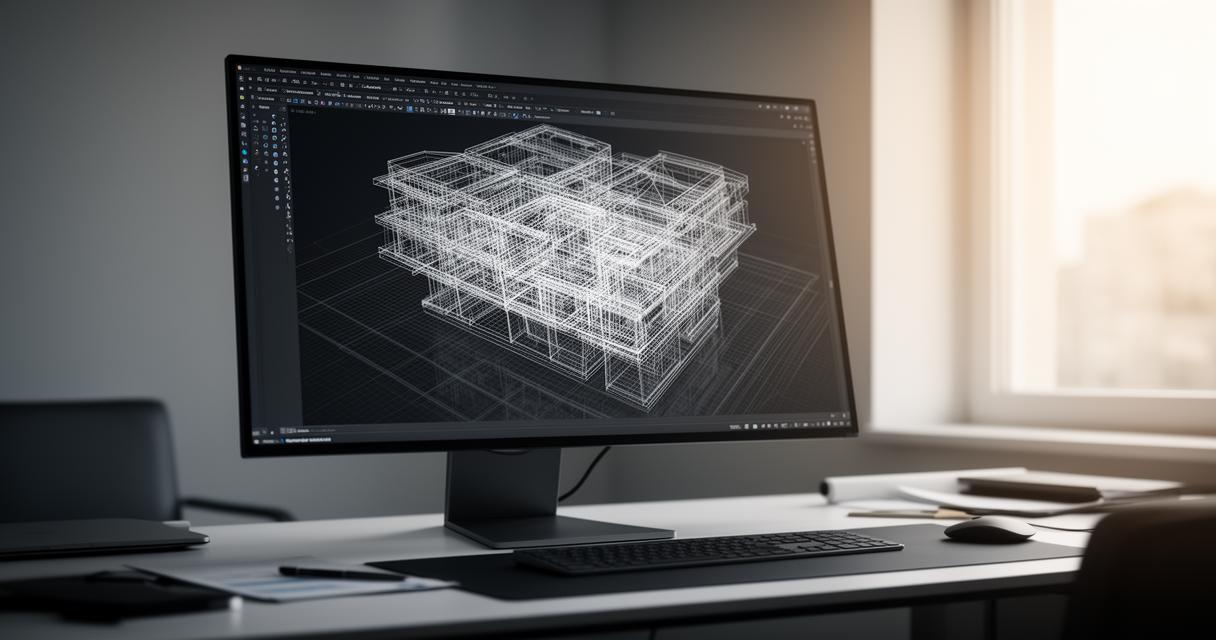
Computer-aided design, commonly referred to as CAD, remains an essential component in engineering and technical fields where precision and meticulous detail are non-negotiable. These platforms offer industry-standard tools that facilitate the creation of accurate technical drawings, schematics, and mechanical components. The rigorous requirements of manufacturing and product design demand software capable of handling complex geometries, tolerances, and material specifications. While many commercial CAD solutions command significant investment, the availability of free alternatives has expanded opportunities for students, hobbyists, and small enterprises to engage with professional-grade capabilities. The integration of parametric modelling and precise measurement tools ensures that every element within a design adheres to exacting standards, reducing errors and streamlining the transition from concept to production.
Open-source alternatives offering professional capabilities
Open-source CAD software has emerged as a formidable contender in the landscape of engineering tools, offering professional capabilities without the burden of subscription models or licensing fees. These alternatives provide robust features for parametric design, assembly modelling, and technical documentation, making them suitable for a wide range of applications in manufacturing knowledgebase and product development. The collaborative nature of open-source projects fosters continuous improvement and innovation, as developers and users contribute enhancements and address emerging needs. This ecosystem not only ensures the software remains relevant and competitive but also cultivates a supportive community where knowledge is freely shared. For engineers and technical professionals seeking cost-effective solutions without compromising on functionality, these open-source platforms represent a compelling choice that aligns with the principles of accessibility and collective advancement.